Mental Health
We understand that that COVID19 is having an impact on everyone’s daily lives. In these challenging and unprecedented times, it is perfectly normal to experience increased levels of stress, anxiety, low mood or depression. But don’t worry it’s common and you’re not alone.
Published: 1 April 2021


We understand that that COVID19 is having an impact on everyone’s daily lives. In these challenging and unprecedented times, it is perfectly normal to experience increased levels of stress, anxiety, low mood or depression. But don’t worry it’s common and you’re not alone.
The Healthy Minds team have some hints and tips to help you look after your mental wellbeing during the coronavirus outbreak.
The death of a loved one is one of the most difficult emotional experiences that we can have in life. The pain and grief that follows can seem, at times, totally overwhelming. Grief is often portrayed as one feeling, but it includes a range of emotions and reactions which affect how we think and how we behave. Although extremely painful, grief is a normal response to any loss and is a way of helping us heal. While life may never be the same again, grief helps us readjust and cope with life without our loved one. It helps us find ways of maintaining our bond with our loved one when they are no longer physically present. Being bereaved can be an extremely lonely time.
Talking with friends and family can be one of the most helpful ways to cope after someone close to us dies. One of the particular challenges of loss during the COVID-19 pandemic is that increasing numbers of people and households are being told to self-isolate or socially distance from friends and family. Given the global impact of COVID-19, it is hard to escape from information about its impact and the losses that others are experiencing. Activities such as watching the news on TV, reading the papers, or linking with friends on social media, may all bombard you with information that will trigger your own feelings of sadness. You may feel overwhelmed by the wider losses and need to take some time out from such information in order to concentrate on looking after yourself and your own loss. This can make you feel guilty, but remember to be kind to yourself. In grief you can only do the best you can.
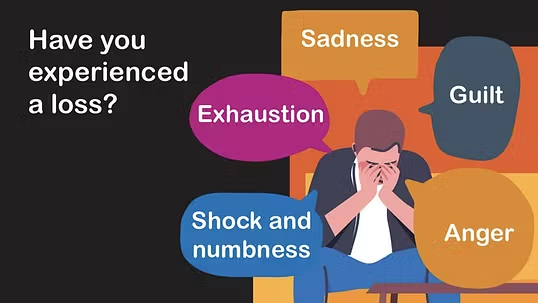
It is important to remember that bereavement, grief and loss can cause many different symptoms and they affect people in different ways. There’s no right or wrong way to feel. As well as bereavement, there are other types of loss such as the end of a relationship or losing a job or home. Some of the most common symptoms include:
• Shock and numbness – this is usually the first reaction to loss, and people often talk about ‘being in a daze’
• Overwhelming sadness, with lots of crying
• Tiredness or exhaustion
• Anger – towards the person you’ve lost or the reason for your loss
• Guilt – for example, guilt about feeling angry, about something you said or did not say, or not being able to stop your loved one dying, or about enjoying things without your loved one.
These feelings may not be there all the time and powerful feelings may appear unexpectedly. It’s not always easy to recognise when bereavement, grief or loss are the reason you’re acting or feeling differently. It can be particularly difficult if the relationship you had with the person you have lost wasn’t as good as you would have liked it to be. If these feelings are affecting your life, there are things that may help.
Latest News
If you access Worcestershire Healthy Minds, you will also have access to a specialist employability service, delivered in conjunction with Mental Health Matters. This additional service will give access to Employment Advisors to provide specialist free confidential advice if you are unemployed and looking at gaining employment, as well as support if stress, anxiety and depression are affecting your work. You can find out more about the employment service by heading to the Mental Health Matters Website
If you access Herefordshire Healthy Minds, you will also have access to Landau Herefordshire an employment and training services. If you are unemployed and looking at gaining employment, as well as support if stress, anxiety and depression are affecting your work. You can find out more about the employment service by heading to the Landau Herefordshire Website
| “I have confidence that the therapists are skilled in their knowledge and delivery of what is a very complex technique. I consider myself very lucky to have been able to self-refer and the service was speedy; both the assessment interview and being able to start a group. The experience has been very positive.” | “It was nice to be listened to; not judged. I felt supported and understood. Thank you for everything.” “My therapist was amazing from start to finish. She was very professional and patient. I am very grateful for our sessions and her help.” |
| Support in a mental health crisisThe 24 hour mental health helpline offers advice, support and if suitable assessment for people experiencing a mental health crisis.Callers can expect to speak to mental health advisors and/or trained mental health clinicians who will be able to listen to your concerns and help make appropriate plans with you.Crisis Resolution Team – 01905 681 915 (24 hrs a day 365 days a year)Call 999 or go to A & E now if:Yours or someone’s life is at risk – for example, they have seriously injured themselves or taken an overdoseYou do not feel you can keep yourself or someone else safe. |
| #NowWereTalking |